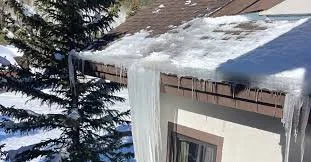
Winter in the Kawartha Lakes can bring beautiful snowfalls, but it also brings a sneaky threat to your roof: ice dams. These ridges of ice form along the edges of your roof and can lead to leaks, water damage, mold, and costly repairs if left unchecked. The good news? Ice dams are largely preventable with the right knowledge and steps.
In this guide, we'll explain what causes ice dams, how to fix them if they've already formed, and the best preventative measures to keep your home safe all season long.
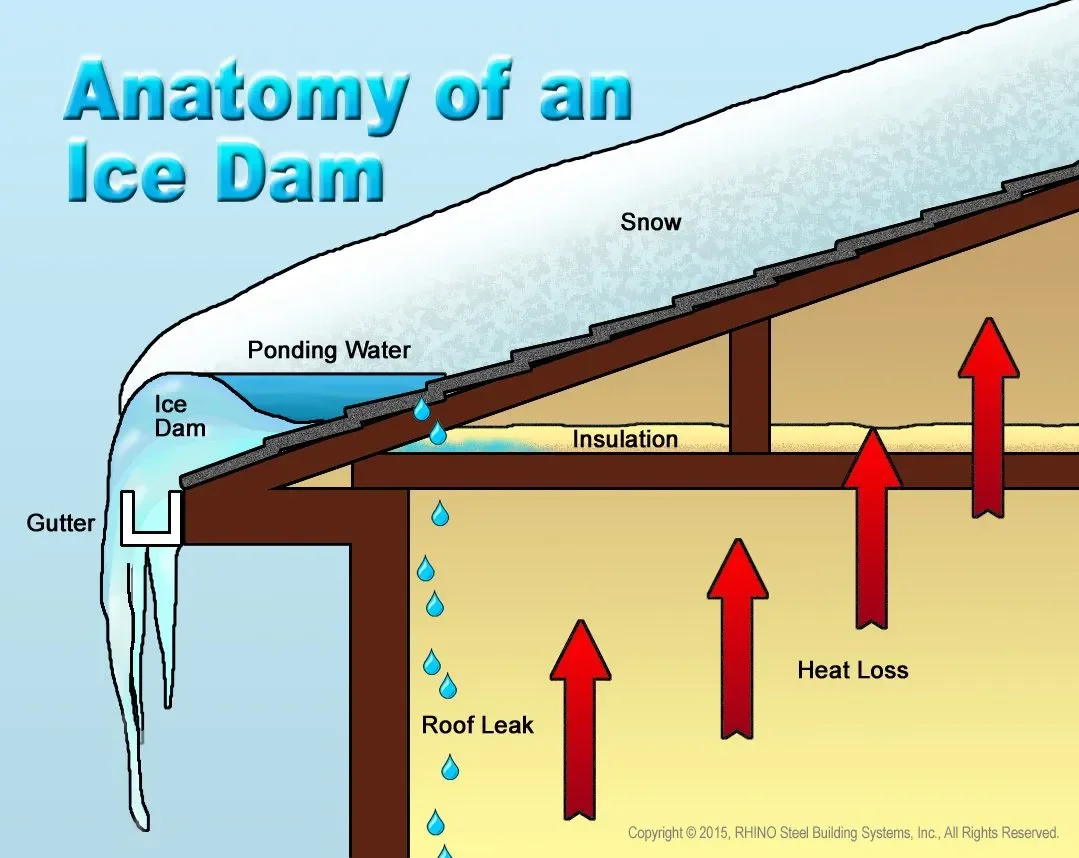
What Causes Ice Dams?
Ice dams form when there's uneven temperature across your roof. Here's the typical process:
Warm air from your home escapes into the attic through poor insulation or air leaks (around lights, vents, chimneys, or hatches).
This heat melts snow on the warmer upper parts of the roof.
The melted water flows down toward the colder eaves and overhangs (which stay below freezing because they're exposed and unheated).
The water refreezes there, building up into a solid ridge of ice that blocks further drainage.
More meltwater backs up behind this "dam," eventually seeping under shingles and into your home—causing interior leaks, damaged ceilings, insulation issues, or even structural problems.
Other contributing factors include heavy snowfall, freeze-thaw cycles, clogged gutters (which trap water), and inadequate attic ventilation that traps warm air.
How to Fix Ice Dams (Short-Term Solutions)
If you spot icicles hanging heavily or ice ridges along your eaves—especially with interior leaks—act quickly but safely. Avoid chipping ice with sharp tools, as this can damage shingles.
Here are effective fixes:
Remove snow from the roof — Use a long-handled roof rake (from the ground for safety) to clear excess snow, especially near the edges. This removes the source of meltwater and prevents further buildup.
Create melt channels — Fill nylon stockings or tube socks with calcium chloride ice melt (not rock salt, which can damage roofs). Lay them perpendicular across the ice dam so they hang over the edge slightly. They create channels for water to drain safely.
Clear gutters and downspouts — Remove debris and ice blockages so water can flow freely once melting starts.
Use a roof steamer (professional help) — For stubborn dams, hire pros with heated steam equipment to melt ice without harming shingles.
Address immediate leaks — Place buckets inside, dry wet areas promptly to prevent mold, and call a roofing expert if damage is visible.
These are temporary measures—true protection comes from prevention.
Preventative Measures to Stop Ice Dams for Good
The best defense is keeping your entire roof at a consistent cold temperature. Focus on these long-term steps:
Improve attic insulation — Add insulation to at least R-49–R-60 (common recommendation for cold climates). This keeps heat in your living space and stops it from warming the roof.
Boost attic ventilation — Install or upgrade soffit vents, ridge vents, or attic fans for balanced airflow. Cold outside air circulates to keep the roof deck cool.
Seal air leaks — Use caulk, foam, or weatherstripping around penetrations like recessed lights, pipes, wires, hatches, and chimneys. This prevents warm air escape—the #1 root cause.
Maintain gutters and downspouts — Clean them regularly in fall and ensure they're clear all winter to allow proper drainage.
Remove snow promptly — After big storms, use a roof rake to keep snow load minimal and reduce melt potential.
Consider ice and water shield — During roof replacement or repairs, install self-adhering underlayment (at least 6 feet up from eaves) for extra leak protection.
These steps not only prevent ice dams but also improve energy efficiency and extend your roof's life.
Don't Let Ice Dams Damage Your Home—Take Action Today
Ice dams may seem like just a winter nuisance, but they can lead to thousands in repairs if ignored. By understanding the causes, acting fast on fixes, and investing in solid prevention like better insulation and ventilation, you can protect your home through even the harshest winters.
If you're dealing with ice dams right now or want peace of mind for the season ahead, reach out to our team at [Your Company Name]. We specialize in roof inspections, attic improvements, gutter services, and ice dam solutions tailored to [your area, e.g., Toronto's] climate. Contact us today for expert advice or a no-obligation assessment—your roof will thank you!
Stay warm and dry this winter!